Is It OK to Eat Your Placenta After Birth? Here Are the Benefits and the Concerns
The pros and cons of placenta encapsulating have lots of new moms on the fence.

Diego Cervo / EyeEm
During my final month of pregnancy, I decided to sit down and fill out a birth plan. I downloaded a free template and checked off different boxes around what I wanted during my labor and delivery. I said yes to having dim lights and soft music. I said no to having any unnecessary visitors in the room after giving birth. However, there was one section of the birth plan that I never thought about exploring. It was a question around whether or not I wanted to keep my placenta and get it encapsulated after birth.
Because I didn’t know very much about placenta encapsulation, I decided to reach out to experts to find out the benefits and concerns around this process to decide whether or not this was something I wanted to do.
Here’s what I learned.
What is Placenta Encapsulation?
Dr. Staci Tanouye, an OBGYN, explained that the placenta is a temporary fetal organ that develops with the fetus inside the uterus. It is attached to the uterine wall and serves as the interface between the pregnant person and the fetus via the umbilical cord. This is how the fetus gets the nutrients and oxygen it needs. After birthing the baby, the placenta is removed from your body.
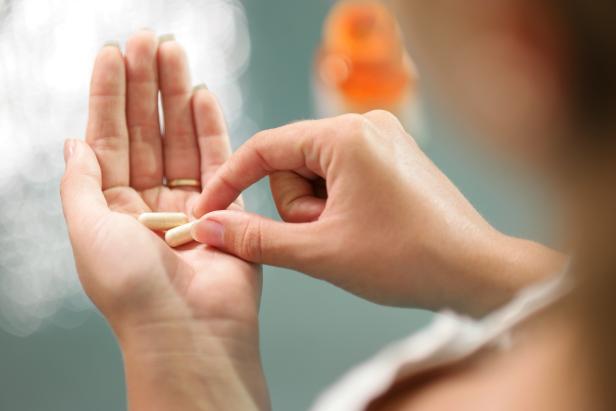
If a person decides they’d like to encapsulate their placenta, the whole placenta is then transformed into pills that the person can take postpartum.
Dr. Tanouye said that people decide to do this because they believe that they can benefit from the nutrients that help with increased milk production, a decrease in postpartum depression, or improvement of anemia.
However, according to Dr. Tranouye, there’s no evidence that there are any benefits of eating your placenta.
If you decide not to go this route, she said that your placenta will go into hospital storage for a standard amount of time before it’s discarded.
Potential Benefits
Melissa Wang, CEO of Pluscenta, a placenta encapsulation company, said that there are many benefits for new moms.
"Placental tissue is a rich source of natural hormones, trace elements and essential amino acids, which play important roles in pregnancy and the regulation of various bodily functions," Wang said. "The placenta is also a source of vitamins, including vitamins B6 and B12, iron, and folate."
She also shared that studies suggest that consuming the placenta may provide health benefits, such as improved mood, lactations benefits, increased energy, and reduced postpartum bleeding.
Potential Risks or Concerns
The biggest risk that could happen, according to Dr. Tranouye, is that there could be a risk of contamination either from a subclinical infection during labor and delivery or during the manufacturing process.
"In addition, there is no standardization for handling or manufacturing, so you may not actually know what you’re getting," she said.
Dr. Kelly Culwell, an OBGYN, shared that eating placenta after birth has been associated with recurrent sepsis (blood infections) for mothers and their babies if they are breastfeeding.
After researching and collecting information, I decided to check the box on my birth plan that said I’d like to encapsulate my placenta. Now that I’m a month postpartum, I have a bottle of my own placenta pills sitting in my kitchen. Perhaps one day in the future, I will take one of the pills, but I haven’t taken one yet because I’m weary of the potential risks.
YOU MIGHT ALSO LIKE: